Your AC Failed in the Utah Heat. Here Is What to Do.
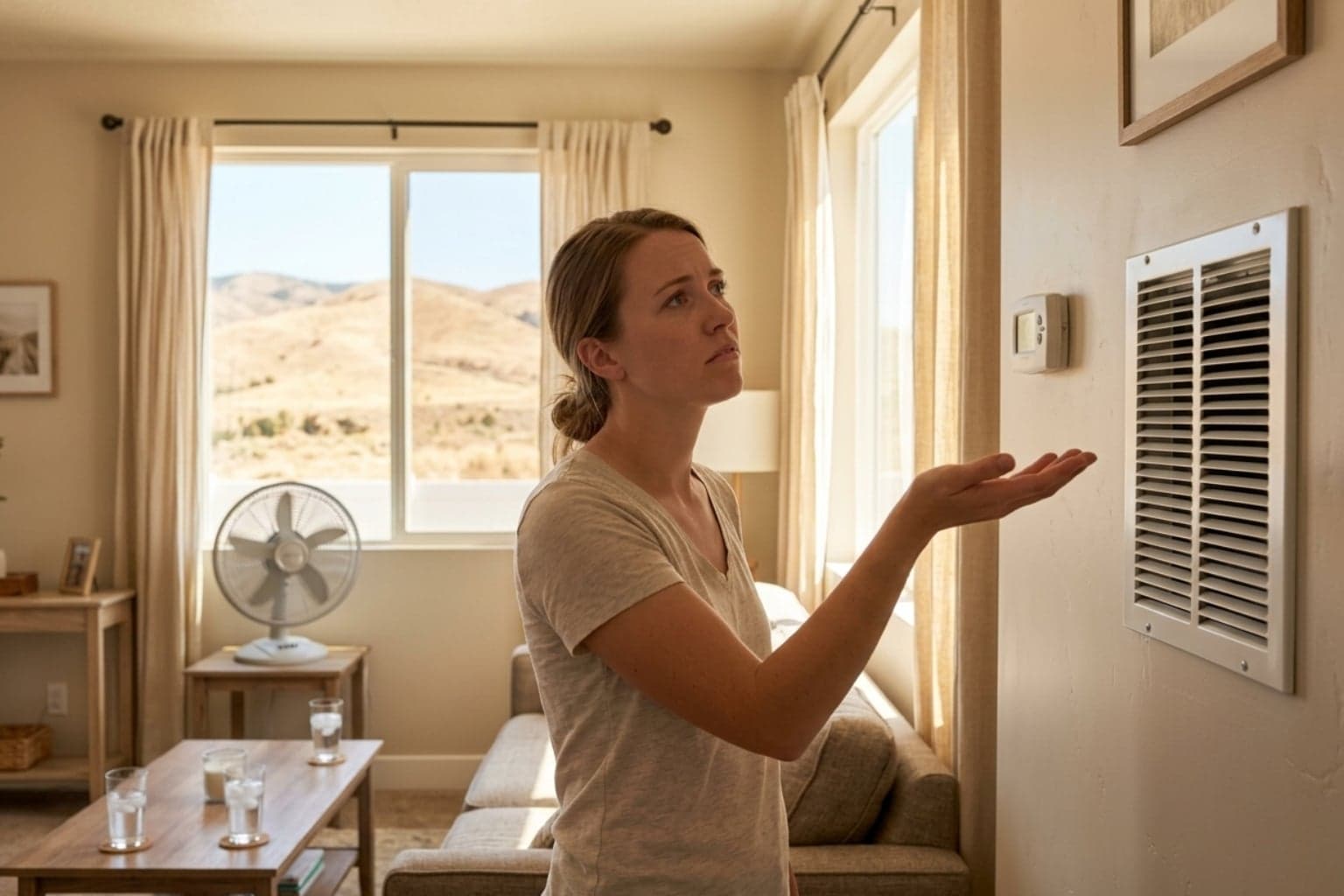
When outdoor temperatures hit 95 to 105 degrees in Salt Lake City, a complete AC failure can push indoor temperatures past 85 degrees within two hours. At those levels, heat exhaustion becomes a real risk, especially for children under 4, adults over 65, and anyone taking medications that affect the body's ability to regulate temperature.
Salt Lake Cooling Repair maintains a 24/7 emergency network of EPA-certified AC technicians across the Salt Lake City metro area. When you call our emergency line or submit a request marked urgent, here is what happens:
We confirm your location, the nature of the emergency, and whether anyone in the home is at risk of heat-related illness. We identify and dispatch the closest available certified cooling technician. You receive a confirmation with the technician's name, EPA certification number, and estimated arrival window.
Our average emergency response time is two to four hours across Salt Lake County. During multi-day heat waves when call volume spikes, response times may extend to four to eight hours. We prioritize homes with vulnerable occupants and complete system failures over partial cooling loss.
When Is an AC Problem an Emergency?
Not every cooling issue needs an emergency call. Here is how to determine whether your situation is urgent.
Call Our Emergency Line If:
Your AC has completely stopped producing cold air and the outdoor temperature exceeds 90 degrees. You have elderly family members, infants, or anyone with heat-sensitive medical conditions in the home. Your AC is making loud banging, grinding, or hissing sounds and has stopped cooling, which may indicate a compressor failure or refrigerant leak. You notice a burning smell coming from your AC system. Your thermostat shows the indoor temperature rising above 85 degrees and climbing.
Schedule Same-Day Service If:
Your AC is running but cooling less effectively than normal, and indoor temperatures are uncomfortable but below 85 degrees. Your system is short cycling but still producing some cold air. You notice a small water leak around the indoor unit. Your energy bills have spiked but the system still functions.
Schedule a Standard Appointment If:
Your AC makes occasional clicking or humming sounds but still cools normally. You want a pre-season tune-up before summer. Your system is more than 10 years old and you want a professional efficiency assessment.
Staying Cool While You Wait for Your Technician
If your AC has failed and a technician is on the way, these steps help keep your home as comfortable and safe as possible.
Close blinds and curtains. Direct sunlight through windows can raise room temperature by 10 to 15 degrees. Blocking sun exposure on south and west-facing windows has the biggest impact.
Use fans strategically. Ceiling fans and portable fans do not lower air temperature, but moving air increases evaporative cooling from your skin. Point fans directly at occupied areas. Open windows on opposite sides of the house after sunset to create cross-ventilation once outdoor temperatures drop below indoor temperatures.
Stay hydrated. Drink water consistently, even if you do not feel thirsty. Avoid alcohol and caffeine, which accelerate dehydration. Monitor children and elderly family members for signs of heat exhaustion: heavy sweating, weakness, cold or clammy skin, nausea, or a fast but weak pulse.
Relocate if necessary. If indoor temperatures exceed 90 degrees and you have vulnerable household members, consider relocating temporarily to a cooled space: a neighbor's home, a shopping center, a public library, or a community cooling center. The Salt Lake County Health Department maintains a list of cooling centers during extreme heat events.
Check simple fixes first. Before the technician arrives, check that your thermostat is set to COOL mode and below room temperature, verify the circuit breaker for your AC has not tripped, check that the outdoor condenser unit is running and the area around it is clear of debris, and replace the air filter if it is visibly clogged. These checks resolve about 10 to 15 percent of emergency calls.
Emergency AC Repair Costs in Salt Lake City
Emergency cooling repairs may carry additional fees compared to standard business-hour service. Here is what to expect from our partner technicians.
Emergency diagnostic fee: $89 to $149 (waived by most partners when you proceed with the repair)
After-hours dispatch fee: $0 to $100 depending on the technician. Many of our partners do not charge extra for emergency calls.
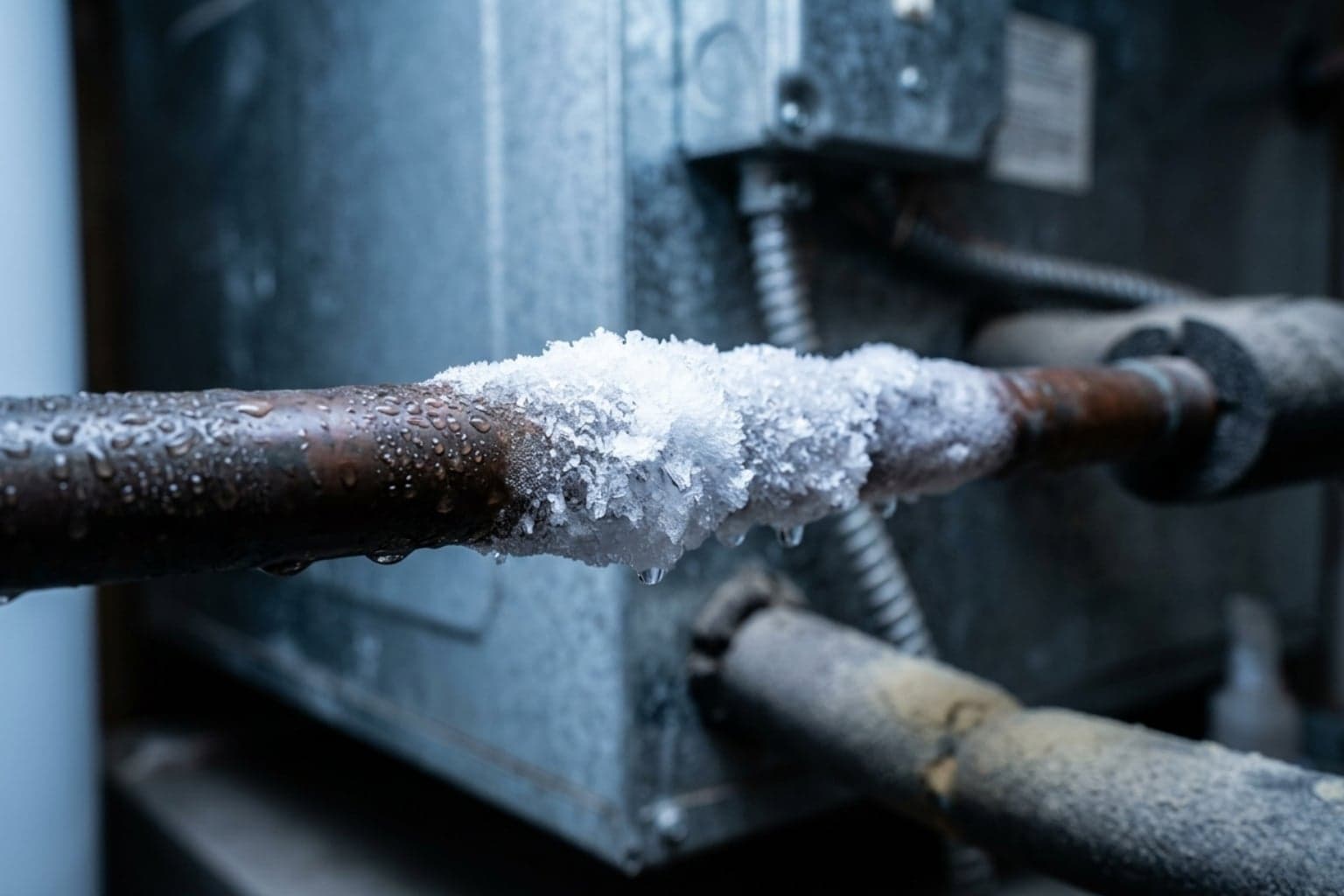
Common emergency AC repairs and costs: Failed capacitor or contactor: $100 to $300. Frozen evaporator coil (thaw and diagnose root cause): $150 to $400. Refrigerant recharge with leak detection: $200 to $600. Failed fan motor (indoor or outdoor): $250 to $600. Compressor failure: $800 to $2,500.
Our partner technicians provide a complete written estimate before starting any repair. You approve the scope and cost before work begins. There are no surprise charges.